Source Gasoline Concrete Scarifying Machine for Pavement Repair
Find 30 gasoline concrete scarifying machines with varying capacities and milling widths. Buyers can compare models like XG300 and SSM300H for asphalt or cement concrete pavement applications, noting differences in engine types and moving configurations.
Key considerations
Products List


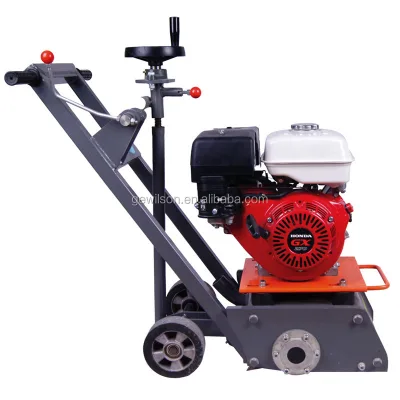
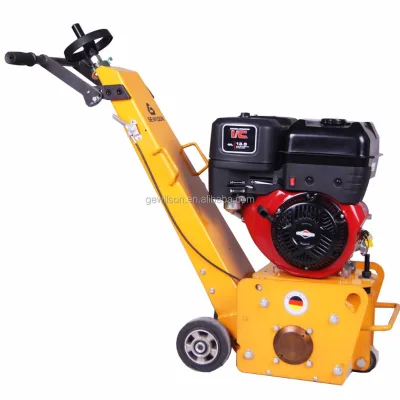


Comprehensive Sourcing Guide
Strategic Sourcing Guide for Gasoline Concrete Scarifying Machines
Understanding the Core Equipment Category
The gasoline concrete scarifying machine represents a specialized class of construction equipment designed for surface preparation, specifically targeting asphalt and concrete pavements. In the context of B2B procurement, buyers must distinguish between high-volume stationary processing units and mobile, gasoline-powered scarifiers intended for targeted surface treatments. The observed market data indicates a clear segmentation based on capacity and mobility. While some units in the supply chain are engineered for high-volume throughput with capacities exceeding 400 tons per hour, the specific niche of gasoline-powered scarifiers often aligns with mobile or semi-fixed configurations suitable for localized road maintenance and pavement restoration.
These machines are primarily characterized by their ability to remove surface layers through the action of rotating cutting tools. The core function involves grinding or scarifying the pavement to a specific depth, preparing the surface for resurfacing or ensuring proper adhesion for new layers. Buyers should note that the "gasoline" designation typically implies the use of internal combustion engines such as Loncin, Briggs & Stratton (B&S), or Honda, which provide the necessary torque for independent operation without reliance on external power grids. This autonomy is critical for projects in remote locations or areas where electricity is unavailable. The product capacity for these specific mobile units often varies significantly, with some configurations listed under 40 tons per hour, while others in the broader category may reach up to 400 tons per hour, requiring careful verification of the specific model's intended duty cycle.
Technical Specifications and Performance Parameters
When evaluating a gasoline concrete scarifying machine, technical specifications serve as the primary filter for suitability. The milling width is a critical dimension that dictates the efficiency of the operation. Market observations show specific models, such as the XG300, featuring a milling width of 300mm, while other variants like the SSM300H or SSM SERIES may offer widths around 250mm. These dimensions determine the coverage rate per pass and influence the overall project timeline. Buyers must cross-reference the required milling width with the available machine models to ensure the equipment matches the project's scale.
Depth control is another paramount specification. The milling depth for these machines typically ranges from 3mm to 7mm, with specific models capable of operating within a 3-5mm or 3-7mm range. This precision is essential for removing surface irregularities without compromising the structural integrity of the underlying pavement. The cutting mechanism relies on a high quantity of blades, with observed configurations utilizing 120 pieces of cutting tools. The arrangement of these blades on four axes ensures uniform material removal and extends the service life of the cutting elements.
Power and speed are equally vital for operational efficiency. The engine type is a defining feature, with suppliers offering options from Loncin, B&S, or Honda. The motor power varies, with some units specified at 4kW or 7.5kW, while others may utilize gasoline engines for higher torque requirements. The rotational speed of the milling drum is typically standardized around 1440r/Min, though wiring and control systems may allow for variable speeds ranging from 0 to 1500rpm. This variability allows operators to adjust the cutting aggressiveness based on the hardness of the concrete or asphalt being processed. Additionally, the machine's moving type, whether mobile or semi-fixed, dictates its transport requirements and setup time on-site.
Compliance, Certification, and Safety Standards
In the global B2B market, compliance with international standards is non-negotiable for heavy machinery. The primary certifications observed in the supply chain for these scarifying machines include CE marking and ISO9001. The CE certification indicates conformity with health, safety, and environmental protection standards for products sold within the European Economic Area, a crucial benchmark for international buyers. ISO9001 certification assures that the manufacturer adheres to a quality management system, ensuring consistent product quality and process control.
Buyers must verify that the specific unit they are procuring carries these certifications. While the general market data confirms the presence of CE and ISO9001, it is the buyer's responsibility to request valid certificates for the specific model and batch. The condition of the machine is another compliance factor; all observed units in this category are listed as "New," which simplifies the verification process regarding wear and tear but requires confirmation that the "new" status applies to the specific inventory item.
Safety standards also encompass the physical design of the machine. The standard dimensions for packaging and shipping, such as 7008001000mm or 14290105cm, must be considered for logistics planning. The weight of the machine, ranging from 160kg to 350kg depending on the model, impacts handling requirements and the need for specialized lifting equipment during installation. Furthermore, the material composition, often utilizing high-strength aluminum for specific components, contributes to the machine's durability and resistance to corrosion, which is a key safety and longevity factor in harsh construction environments.
Cost Drivers and Pricing Dynamics
The pricing of gasoline concrete scarifying machines is influenced by a complex interplay of factors, including engine brand, milling width, and manufacturing origin. The observed price range in the market spans from $200 to $3,540, reflecting the diversity of configurations available. Lower-priced units may correspond to smaller milling widths, less powerful engines, or simpler mechanical designs, while higher-priced models likely feature advanced automation, larger capacities, or premium engine brands like Honda.
The Minimum Order Quantity (MOQ) is another significant cost driver. The market data indicates an MOQ range of 1 to 5 units, suggesting that buyers can procure single units for pilot projects or small-scale operations, or bulk orders for larger fleets. This flexibility allows buyers to manage capital expenditure more effectively. However, the unit price often decreases with higher order volumes, a standard practice in industrial procurement.
Additional cost considerations include the packaging and shipping requirements. Units are typically packed in wooden cases or carton boxes with steel frames, which adds to the overall logistics cost. The origin of the product, with manufacturers located in regions like Henan, Zhejiang, and Ningbo in China, influences shipping times and freight costs. Buyers should factor in the total landed cost, which includes the base price, packaging, freight, insurance, and any applicable import duties, rather than focusing solely on the ex-works price.
Typical Applications and Industry Suitability
Gasoline concrete scarifying machines are designed for a variety of applications within the construction and infrastructure sectors. The primary object of these machines is the treatment of cement concrete pavement and asphalt concrete pavement. This dual capability makes them versatile tools for road maintenance, airport runway repair, and highway resurfacing projects. The ability to handle both concrete and asphalt expands the potential market for these machines, allowing contractors to utilize a single piece of equipment for multiple types of surface preparation tasks.
The applicable industry for these machines is primarily building material shops and construction firms. The "Long Lifetime" attribute highlighted in the product data suggests that these machines are built for durability, making them suitable for high-frequency use in demanding environments. The mixing method, described as a continuous drum in some contexts, indicates that the machines are designed for efficient, uninterrupted operation, which is crucial for maintaining project schedules.
The moving type of the machine, whether mobile or semi-fixed, further defines its application scope. Mobile units are ideal for projects that require frequent relocation, such as urban road repairs or patching operations. Semi-fixed units may be better suited for larger, more stationary projects where the machine can be set up for extended periods. The water tank capacity, observed at 30L or 20L, is another application-specific feature, used to suppress dust during the milling process, ensuring a safer working environment and compliance with environmental regulations.
Supplier Evaluation and Quality Assurance
Selecting the right supplier is critical for ensuring the reliability and performance of the scarifying machine. Buyers should prioritize suppliers who provide comprehensive after-sales services, such as video technical support and online support. These services are essential for troubleshooting operational issues and ensuring that the machine is used correctly, which directly impacts its longevity and performance. The availability of these support channels is a strong indicator of a supplier's commitment to customer satisfaction.
Quality control should be a central part of the evaluation process. Buyers must verify that the supplier adheres to the ISO9001 standard and that the products are manufactured in facilities that maintain strict quality control protocols. The condition of the machine, confirmed as "New," should be verified through detailed inspection reports or video evidence before shipment. Additionally, the material quality, such as the use of high-strength aluminum, should be confirmed to ensure the machine can withstand the rigors of daily use.
Supplier location is another factor to consider. Manufacturers in Henan, Zhejiang, and Ningbo, China, are known for their industrial capabilities, but buyers should assess the logistics capabilities of the supplier to ensure timely delivery. The lead time, while not explicitly stated in the data, should be clarified during the negotiation process to avoid project delays. Buyers should also inquire about the warranty terms and the availability of spare parts, particularly for high-wear components like the 120 cutting blades.
Long-Term Procurement and Operational Considerations
For long-term procurement success, buyers must look beyond the initial purchase price and consider the total cost of ownership. This includes the cost of maintenance, spare parts, and the expected lifespan of the machine. The "Long Lifetime" attribute suggests that these machines are designed for durability, but the actual lifespan will depend on the frequency of use and the quality of maintenance. Buyers should establish a maintenance schedule that includes regular inspections of the cutting blades, engine checks, and lubrication of moving parts.
The customization options available, such as specific milling widths or engine types, allow buyers to tailor the machine to their specific needs. This flexibility can reduce long-term costs by ensuring the machine is optimized for the intended application. Buyers should also consider the environmental impact of the machine, particularly the emissions from the gasoline engine. While the data does not specify emission standards, buyers should verify that the engine meets local environmental regulations.
Finally, the procurement strategy should include a plan for scaling operations. The MOQ range of 1 to 5 units allows for gradual expansion, but buyers should negotiate volume discounts for future orders. Building a strong relationship with the supplier can lead to better pricing, priority support, and access to new product developments. By focusing on these long-term considerations, buyers can ensure that their investment in gasoline concrete scarifying machines delivers sustained value and operational efficiency.
FAQs
What certifications do these machines have?
These machines carry CE and ISO9001 certifications. The CE mark ensures safety compliance for the European market, while ISO9001 verifies the manufacturer adheres to strict quality management systems for consistent production standards.
Which engine brands are available for this equipment?
Suppliers offer engines from Loncin, Briggs & Stratton, and Honda. These gasoline engines provide the necessary torque for independent operation, allowing the machine to function effectively in remote locations without external power grids.
What is the typical milling width for these scarifiers?
The milling width typically ranges from 250mm to 300mm depending on the model. Specific units like the XG300 feature a 300mm width, while others such as the SSM series offer a 250mm width for different project scales.
Can the machine handle both concrete and asphalt?
Yes, the machine is designed to treat both cement concrete and asphalt concrete pavements. This dual capability makes it versatile for road maintenance, airport runway repairs, and general highway resurfacing projects requiring surface preparation.
How many cutting blades are included in the unit?
The unit typically includes 120 pieces of cutting tools arranged on four axes. This configuration ensures uniform material removal and extends the service life of the cutting elements during the milling process.
What is the minimum order quantity for purchase?
The minimum order quantity ranges from 1 to 5 units depending on the supplier. This flexibility allows buyers to procure single units for pilot projects or place bulk orders for larger fleets to optimize costs.
Where are these machines manufactured?
Manufacturers are located in regions such as Henan, Zhejiang, and Ningbo in China. These industrial hubs provide the necessary capabilities for producing high-strength aluminum components and assembling the complete scarifying machines.